The Art of Handmade Jewelry
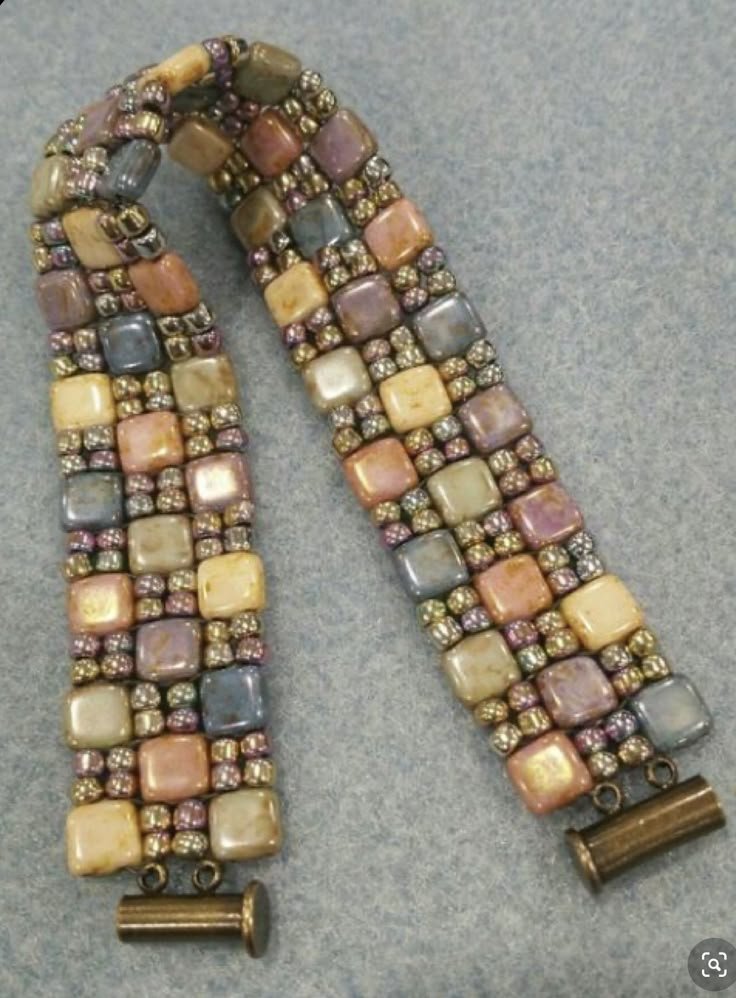
Handmade jewelry is not merely an accessory; it is a testament to the skill and creativity of artisans who invest their time and heart into every piece. The art of creating handmade jewelry involves various sophisticated techniques, each contributing to the uniqueness and allure of the final product. Techniques such as wire wrapping, metalworking, and beading stand out for their complexity and the artisan’s ability to infuse personality into each design.
Wire wrapping is a popular method that involves bending and twisting wire to create intricate patterns, often used to set stones or create links in necklaces and bracelets. This technique not only allows for flexibility in design but also showcases the artisan’s dexterity and creative vision. Additionally, metalworking encompasses a range of techniques including smithing, soldering, and engraving, which help artisans shape and mold metal into exquisite forms. These practices require a keen understanding of materials and tools, enhancing the artistry involved in making customized jewelry.
Beading, another essential technique, involves threading beads onto various materials such as wire or thread to produce stunning pieces. This method may appear simple, yet it offers endless possibilities, enabling artisans to create intricate patterns and textures. The interplay of colors, shapes, and sizes of beads can significantly impact the piece’s overall aesthetic and appeal, making each creation a work of art.
The craftsmanship involved in handmade jewelry signifies the dedication of artisans to their craft, resulting in pieces that are often more meaningful than mass-produced items. Each handmade item tells a story and carries unique qualities, ensuring that it resonates with the individual wearer’s personality. This original touch elevates handmade jewelry beyond mere adornment, making it a cherished expression of identity and style.
The Significance of Using Ethical Materials
In recent years, the importance of using ethical materials in handmade jewelry has gained considerable attention. Artisan jewelers increasingly emphasize the significance of sourcing materials responsibly, thereby supporting sustainability and ethical practices. The very nature of handmade jewelry allows for a more conscious approach to material selection, reflecting the craftsperson’s commitment to creating pieces that are both beautiful and ethically produced.
The impact of traditional jewelry production on the environment cannot be overstated. Many conventional materials, such as mined gemstones or metals, often involve ecological degradation and human rights violations. The extraction process can lead to habitat destruction and significant pollution, undermining the natural resources needed for future generations. By opting for ethically sourced materials, artisans can help mitigate these adverse effects, making informed choices about the materials they incorporate into their work.
Jewelry crafted from recycled metals, lab-grown gemstones, and sustainably sourced materials exemplifies a shift towards more responsible craftsmanship. Such materials virtually eliminate the negative implications associated with conventional sourcing, fostering a relationship with the environment that prioritizes preservation over exploitation. When consumers choose handmade jewelry that highlights these ethical materials, they not only acquire unique pieces but also actively support practices that respect both the planet and its inhabitants.
Supporting artisans who prioritize ethical practices is paramount. By purchasing from brands that demonstrate transparency in their sourcing methods, consumers can contribute to a market that values sustainability. Engaging with artisans who share their stories and sourcing ethics allows individuals to understand the narrative behind each unique piece, further enriching the allure of handmade jewelry. This conscientious approach not only enhances personal aesthetics but also fuels a movement towards more responsible consumption in the jewelry industry.
The Personal Touch: Customization and Meaning
Handmade jewelry possesses an intrinsic charm that goes beyond mere aesthetics; it embodies the stories and emotions of its wearer. One of the most compelling aspects of handmade jewelry is the opportunity for customization, allowing individuals to create pieces that reflect their unique identities and life experiences. Artisans often engage with clients, working collaboratively to design jewelry that resonates with personal significance.
For instance, many people seek custom jewelry to commemorate special occasions such as anniversaries, graduations, or the birth of a child. A bespoke piece featuring birthstones for each family member can serve as a tangible representation of love and connection, preserving cherished memories in an aesthetically pleasing form. Additionally, customized rings or necklaces can include engravings that convey meaningful messages or important dates, adding a layer of intimacy that mass-produced jewelry simply cannot offer.
The personal narratives woven into handmade pieces often enhance their allure. Artisans typically encourage clients to share their stories, which informs the design process. For example, someone might approach a jeweler wanting a necklace that symbolizes a journey of personal growth. Collaboratively, they can craft a design that encapsulates this journey, possibly through symbols, stones, or specific motifs that are meaningful to the individual.
Moreover, the rising trend of ethical and sustainable jewelry has led many people to choose artisans who are committed to responsible sourcing and production practices. This choice adds another layer of meaning, as consumers align their purchases with their values, resulting in jewelry that not only looks beautiful but also resonates with their ethical beliefs.
Supporting Local Artisans and the Handmade Movement
In an age dominated by fast fashion and mass-produced items, the allure of handmade jewelry shines brightly, particularly when it comes to the advantages of supporting local artisans. Buying handmade jewelry not only offers consumers unique pieces often crafted with personal stories and emotional connections, but it also plays a vital role in sustaining local economies and traditional crafts.
By choosing to purchase handmade items, individuals participate in the revitalization of local craftsmanship. Artisans often use methods and techniques passed down through generations, contributing to the preservation of cultural heritage. This emphasis on tradition fosters a sense of pride and responsibility among local makers to continue their craft, which might otherwise be forgotten in an increasingly globalized market.
Furthermore, supporting local artisans helps keep money circulating within the community. When consumers buy handmade jewelry from local artisans, they are directly contributing to the livelihood of their neighbors. This financial support creates a ripple effect, fostering job creation and promoting entrepreneurship. Unlike major corporations, local artisans frequently reinvest their earnings back into the community, funding local initiatives and creating a vibrant local culture.
Exploring local markets, craft fairs, and online platforms dedicated to handmade goods allows individuals to discover distinctive jewelry pieces that reflect personal styles and values. Each piece tells a story and embodies the passion and dedication of its maker, which is often lost in mass production. Choosing handmade jewelry is not simply about acquiring adornments; it is about embracing individuality and authenticity in a world of sameness.
Ultimately, supporting local artisans and the handmade movement contributes not only to economic sustenance but also to a rich tapestry of creativity that enhances the community’s cultural landscape. This pursuit encourages consumers to make thoughtful purchases that have lasting impacts, both personally and collectively.