The Allure of Natural Elements in Jewellery Design
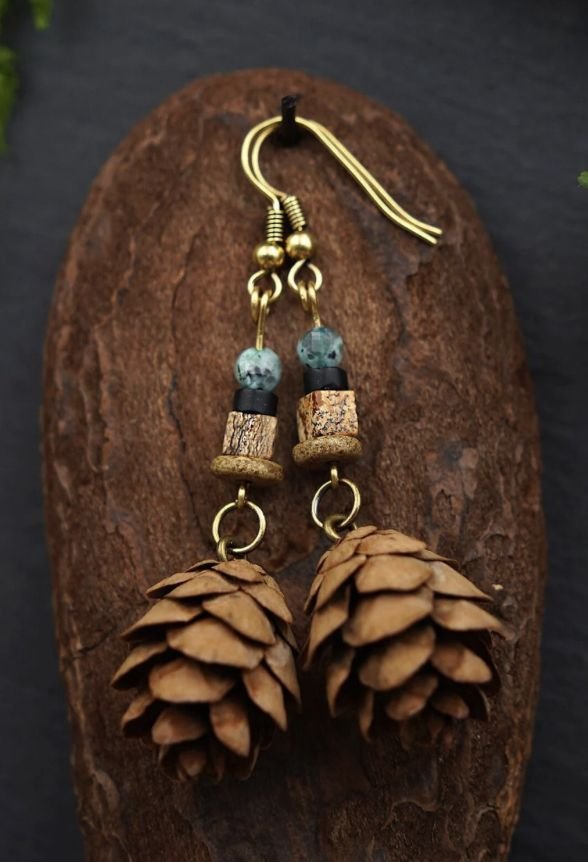
Jewellery design has long been influenced and inspired by the inherent beauty of nature. Artists and artisans around the globe draw upon various organic materials such as gemstones, wood, shells, and other elements to create pieces that reflect the intricate patterns and hues found in the natural world. The use of these materials not only elevates the aesthetic appeal but also enhances the emotional resonance of the finished product.
Gemstones, in particular, have a storied history in jewellery making. Their vibrant colors and unique formations allow designers to create visually stunning pieces that capture the eye and imagination. For many, a specific gemstone can carry personal significance, making it more than just an accessory but a cherished emblem of memories or sentiments. The natural imperfections within gemstones add character, creating a unique charm that mass-produced items often lack.
Wood, as another natural component, offers a tactile warmth and organic look that contrasts beautifully with metals and stones. Handcrafted wooden jewellery often evokes a sense of nostalgia and connection to the earth, serving as a reminder of the beauty of natural decay and renewal. Similarly, shells and other marine elements imbue designs with an oceanic serenity, symbolizing tranquility and freedom.
The emotional connection fostered by jewellery made from natural materials cannot be overstated. Wearing these pieces often instills a sense of belonging and unity with the environment, highlighting the importance of sustainability and responsible sourcing in contemporary craftsmanship. Additionally, the unique stories behind each piece resonate with both the creator and the wearer, creating a shared experience that transcends mere ornamentation.
Handicraft Techniques: The Art Behind Natural-Elements Jewellery
The artistry of crafting jewellery from natural elements involves a myriad of techniques that reflect both tradition and innovation. Various methods, such as wire wrapping, bead weaving, and metalworking, are prevalent in the creation of unique pieces that celebrate the inherent beauty of natural materials.
Wire wrapping is a prominent technique where artisans skillfully intertwine metal wires around stones or beads, creating secure settings for the natural elements. This method not only enhances the aesthetic appeal but also preserves the integrity of the materials. The flexibility of wire allows for intricate designs, catering to individual preferences and styles. The use of different wire gauges can yield varying textures and finishes, further enriching the artistic expression.
Bead weaving, another traditional technique, involves interlacing strands of beads to form intricate patterns and shapes. This method is often characterized by its use of colorful natural beads, such as gemstones, seeds, or wood. Artisans combine various bead types along with unique stitching techniques, resulting in stunning wearable art that embodies the essence of the natural world. Bead weaving requires a meticulous approach, often taking considerable time to achieve the desired design, but the outcome is invariably captivating and striking.
Metalworking techniques enhance the overall quality of natural-elements jewellery, combining metals with organic materials. Hammering, soldering, and casting allow artisans to create distinctive settings for gemstones or other natural components. These techniques contribute durability and timelessness to each piece, ensuring that the jewellery can be cherished for generations. Innovative approaches, such as using sustainable materials or incorporating eco-friendly practices, have also emerged to align with the values of today’s conscious consumers.
By blending traditional craftsmanship with contemporary methods, artisans continue to push the boundaries of what is possible in the world of natural-elements jewellery, creating meaningful and artfully designed pieces that resonate with nature lovers and jewellery aficionados alike.
Sustainability and Ethical Sourcing in Natural Jewellery
The growing awareness of environmental issues has led to a heightened focus on sustainability and ethical sourcing within the jewellery industry, particularly for pieces crafted from natural elements. The materials used in natural jewellery, which can range from wood and stones to organic textiles, often have a profound impact on the environment. Consequently, consumers are increasingly seeking out jewellery that reflects their values of sustainability.
In the crafting of natural-elements jewellery, ethical sourcing plays a pivotal role. This means ensuring that materials come from renewable resources or are harvested responsibly without causing ecological damage. For example, when sourcing wood for jewellery, artisans are increasingly opting for sustainably harvested woods that come from responsibly managed forests. Certifications such as FSC (Forest Stewardship Council) provide assurance that the wood is sourced in a manner that supports environmental health and local communities.
The environmental impact of mining and harvesting metals and gemstones has been considerable, leading to habitat destruction and pollution. By choosing to support ethical jewellery makers who prioritize sustainability, consumers can mitigate these effects. This includes looking for brands that utilize reclaimed or recycled materials, which not only reduces the need for new mining but also minimizes waste.
Another option gaining traction among conscientious consumers is the use of lab-grown stones and synthetic materials. These alternatives reduce the carbon footprint associated with traditional mining practices while offering stunning aesthetics and durability. They provide an appealing option for individuals who wish to wear jewellery free from ethical concerns snagging their conscience and providing peace of mind.
In this light, the beauty of natural-elements jewellery extends beyond its visual appeal; it encompasses a commitment to environmental stewardship and ethical practices that respect both nature and humanity. Thus, consumers can embrace their love for jewellery, knowing that their choices contribute positively to the world.
The Growing Trend of Custom and Personalized Natural Handicrafts
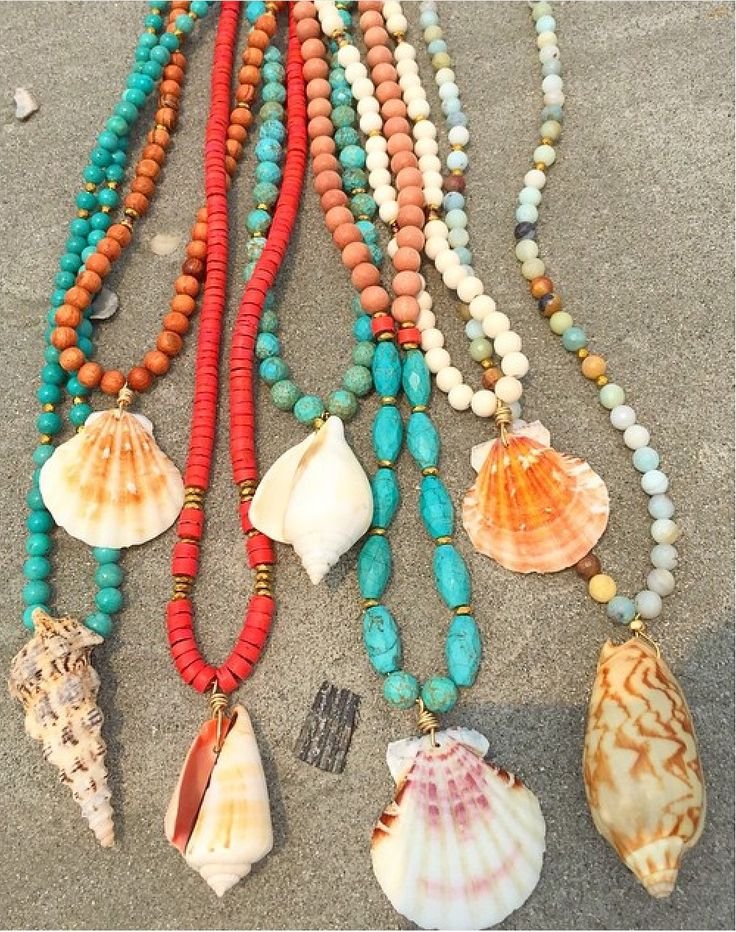
In recent years, there has been a remarkable shift towards custom and personalized jewellery, particularly in the realm of natural-elements handicrafts. This trend reflects consumers’ desire for unique pieces that not only embellish their appearance but also resonate with their individual identities and connections to nature. Artisans are responding to this demand through innovative approaches that celebrate personal expression while employing sustainable materials.
The allure of custom jewellery lies in its ability to convey personal stories and preferences. Artisans, often skilled in various techniques, allow clients to collaborate on design aspects such as stone selection, shape, and overall style. This personalized touch nurtures a deeper bond between the maker and the wearer, transforming each piece into a personal statement. Customers can choose elements sourced from natural materials, such as wood, stones, or plants, which enhances not only the aesthetic appeal but also the emotional connection to the items.
Furthermore, the personalization aspect of these pieces aligns with a broader societal trend towards valuing uniqueness and authenticity. Consumers are increasingly moving away from mass-produced goods, opting instead for handcrafted items that reflect artisanal care and craftsmanship. By choosing custom options, individuals enhance their sense of ownership, ensuring the jewellery embodies their personal style and values.
In addition to aesthetic factors, these custom jewellery pieces often carry symbolic meanings—representing milestones, relationships, or life experiences. As such, they serve as reminders of special moments or aspirations, further deepening their significance. This growing trend encapsulates a harmonious blend of artistry, nature, and individual expression, reinforcing the notion that jewellery is more than mere adornment; it is an extension of one’s self.